
Low-GI Snacking for Diabetics in Singapore

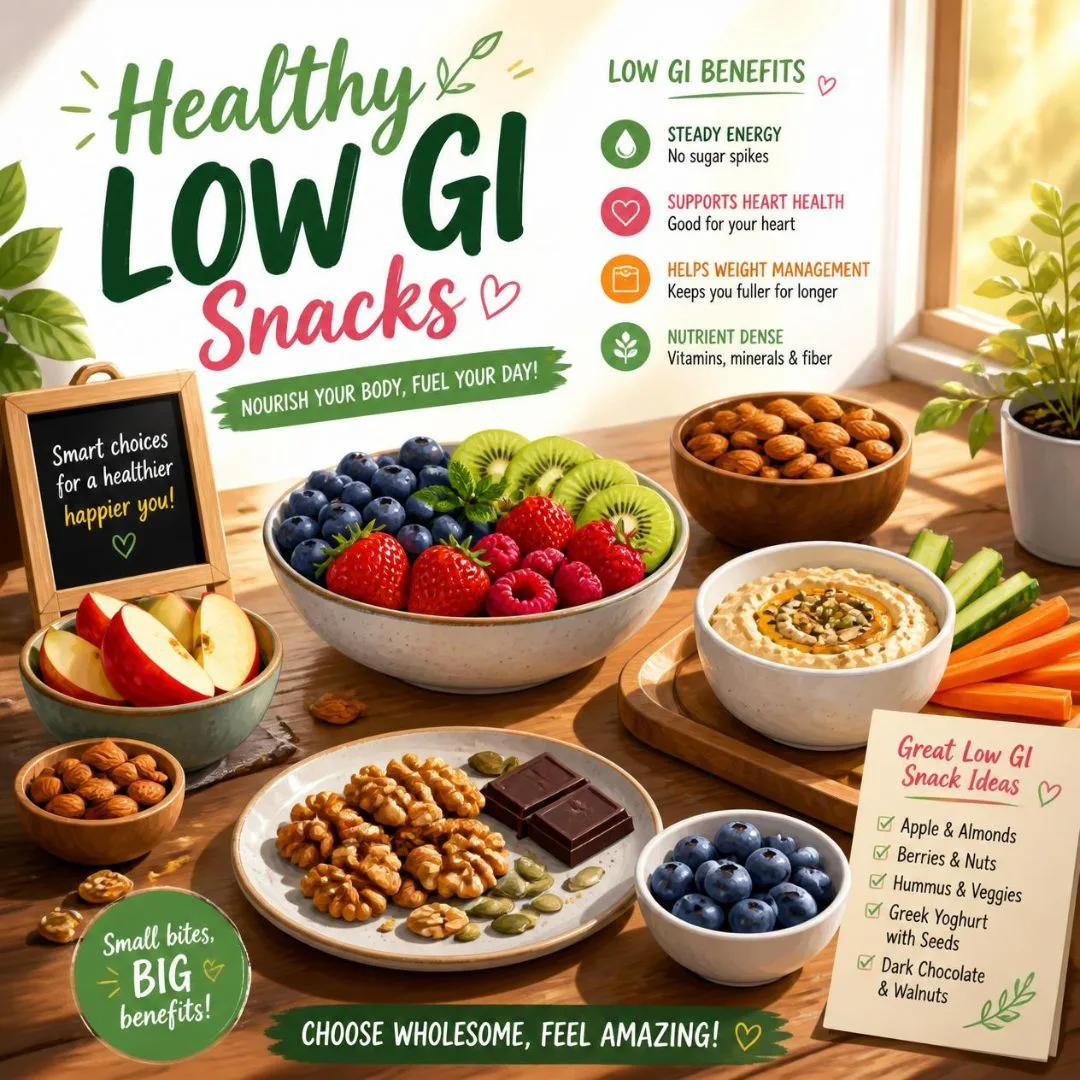
Singapore has one of the highest diabetes rates in Asia. According to the Ministry of Health, approximately 1 in 3 Singaporeans has diabetes or is at risk of developing it. Managing blood sugar through diet — particularly through snack choices — is one of the most effective tools for people living with Type 2 diabetes.
This guide, reviewed by a registered dietitian, explains how to choose low-GI snacks that keep blood glucose stable, manage hunger between meals, and support long-term metabolic health.
What Is the Glycaemic Index (GI)?
The Glycaemic Index (GI) measures how quickly a carbohydrate-containing food raises blood glucose levels on a scale of 0 to 100, relative to pure glucose.
• Low GI: 0–55 — slow, gradual glucose release (preferred for diabetics)
• Medium GI: 56–69 — moderate glucose release
• High GI: 70+ — rapid glucose spike (avoid or limit)
The Glycaemic Load (GL) is equally important — it accounts for both GI and portion size. A food with a moderately high GI consumed in very small quantities may have a low GL. Always consider both.
Why Snack Choices Matter for Diabetics
Many packaged snacks — even those marketed as ‘healthy’ — are high in refined carbohydrates, added sugars, and white flour, all of which cause rapid blood glucose spikes followed by crashes. These fluctuations are particularly damaging over time for people managing Type 2 diabetes or pre-diabetes.
A well-chosen low-GI snack does three things: it keeps blood glucose stable, provides sustained energy, and reduces the temptation to overeat at the next meal.
Nutrients to Prioritise in Diabetic-Friendly Snacks
• Fibre — slows carbohydrate absorption and reduces post-meal glucose spikes
• Protein — helps maintain satiety and has minimal impact on blood glucose
• Healthy fats — supports satiety and does not raise blood glucose
• Complex carbohydrates — found in whole grains, legumes, nuts; preferred over simple carbs
Best Low-GI Snacks at Yes2HealthyLife
Nut-Based Snacks and Bars
Almonds, walnuts, and macadamia nuts have extremely low GI values and are rich in healthy fats, protein, and fibre. Roobar bars — made from whole nuts, seeds, and dried fruit — have a low to medium GI depending on the variant and make excellent between-meal snacks for diabetics.
Dark Chocolate (85%+)
Bett’r’s 85% dark chocolate has a GI of approximately 25 — well within the low range. The high cocoa content means it is rich in flavonoids that have been linked to improved insulin sensitivity. Limit to one or two squares per serving.
Sugar-Free Confectionery (Diablo Range)
Diablo’s sugar-free range uses alternative sweeteners like xylitol and maltitol that have significantly lower GI values than sugar. Their chocolate bars, wafers, and lollipops allow diabetics to enjoy sweet treats without significant glucose impact. Note: maltitol does have some glycaemic effect — consume in moderation.
Whole Grain Rice Cakes and Chips
RiceUp! brown rice cakes made from whole grain rice have a moderate GI of approximately 55, lower than white rice crackers. Pairing them with a protein (such as peanut butter or hummus) further lowers the overall glycaemic response.
Unsweetened Beverages
AROM-D cold brew coffee with no added sugar is a zero-GI option. Research suggests moderate coffee consumption may improve insulin sensitivity. Dalston’s sugar-free sparkling drinks are another excellent choice for diabetics seeking a flavourful, low-GI beverage.
👩⚕️ Dietitian’s Note
Every individual’s glucose response to food varies. We recommend using a continuous glucose monitor (CGM) or traditional blood glucose testing to understand how specific snacks affect your personal blood sugar levels. These recommendations are general guidance, not medical advice.
Snacking Timing Tips for Diabetics
• Snack between meals to prevent blood sugar from dropping too low between larger meals
• Avoid snacking within 2 hours of a main meal — allow blood glucose to return to baseline first
• Pair carbohydrate-containing snacks with protein or fat to blunt the glucose response
• Monitor portion sizes — even low-GI foods can cause spikes when consumed in large quantities